The Complete Guide to Zero Waste Living in India
Practical zero waste tips for Indian households. Start your sustainable living journey with simple swaps and eco-friendly products.
Your Journey to Zero Waste Starts Here
Zero waste living might sound extreme, but it’s simply about reducing waste as much as possible. In India, where we generate 62 million tons of waste annually, every small change matters!
What is Zero Waste?
Zero waste means:
- Refuse what you don’t need
- Reduce what you do need
- Reuse what you consume
- Recycle what you cannot refuse, reduce, or reuse
- Rot (compost) the rest
Room-by-Room Zero Waste Guide
Kitchen (Biggest Impact!)
Swap This → For This:
- Plastic bags → Cloth bags
- Plastic wrap → Beeswax wraps
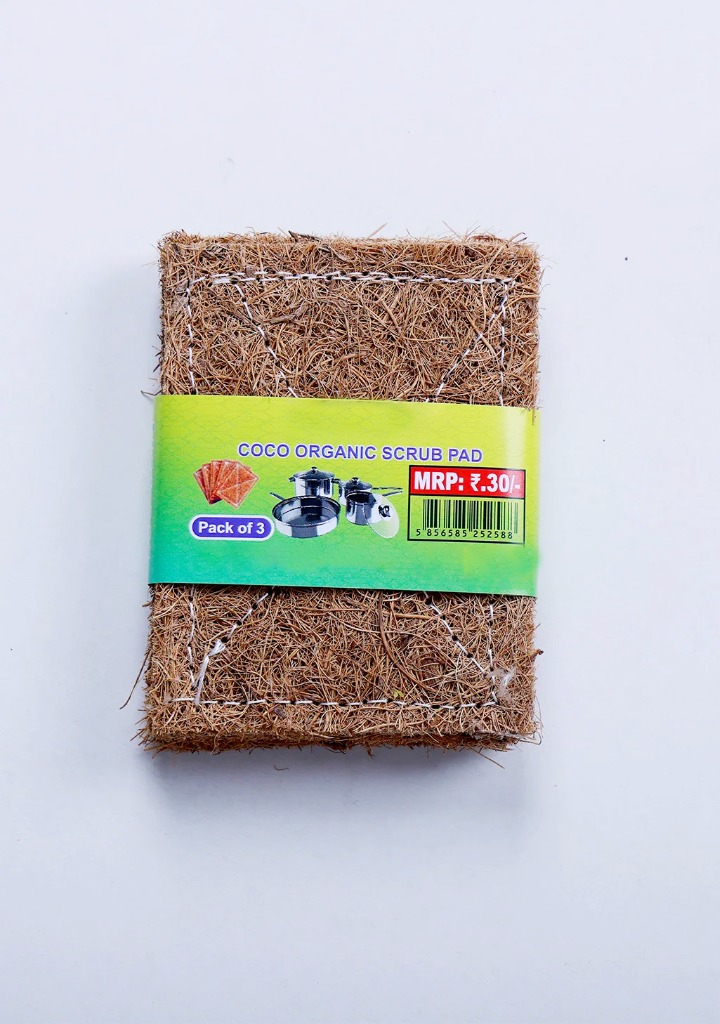
- Plastic scrubbers → Coir scrubbers
- Disposable plates → Steel/ceramic
- Paper towels → Cloth napkins
Food Waste Solutions:
- Compost kitchen scraps
- Plan meals to reduce waste
- Store food properly
- Use leftovers creatively
Bathroom
Eco Swaps:
- Plastic toothbrush → Bamboo toothbrush
- Liquid soap → Bar soap
- Plastic razors → Safety razors
- Disposable pads → Menstrual cups/cloth pads
Office/Study
Sustainable Stationery:
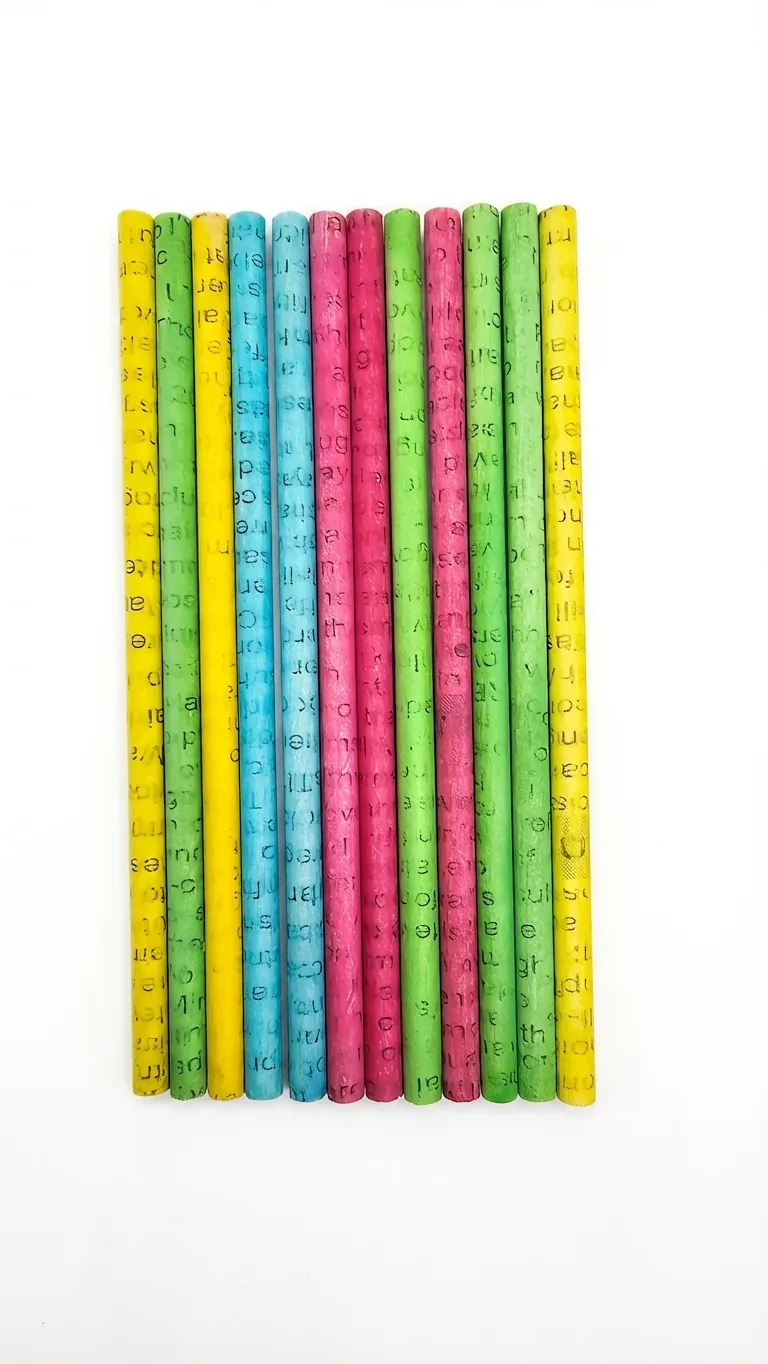
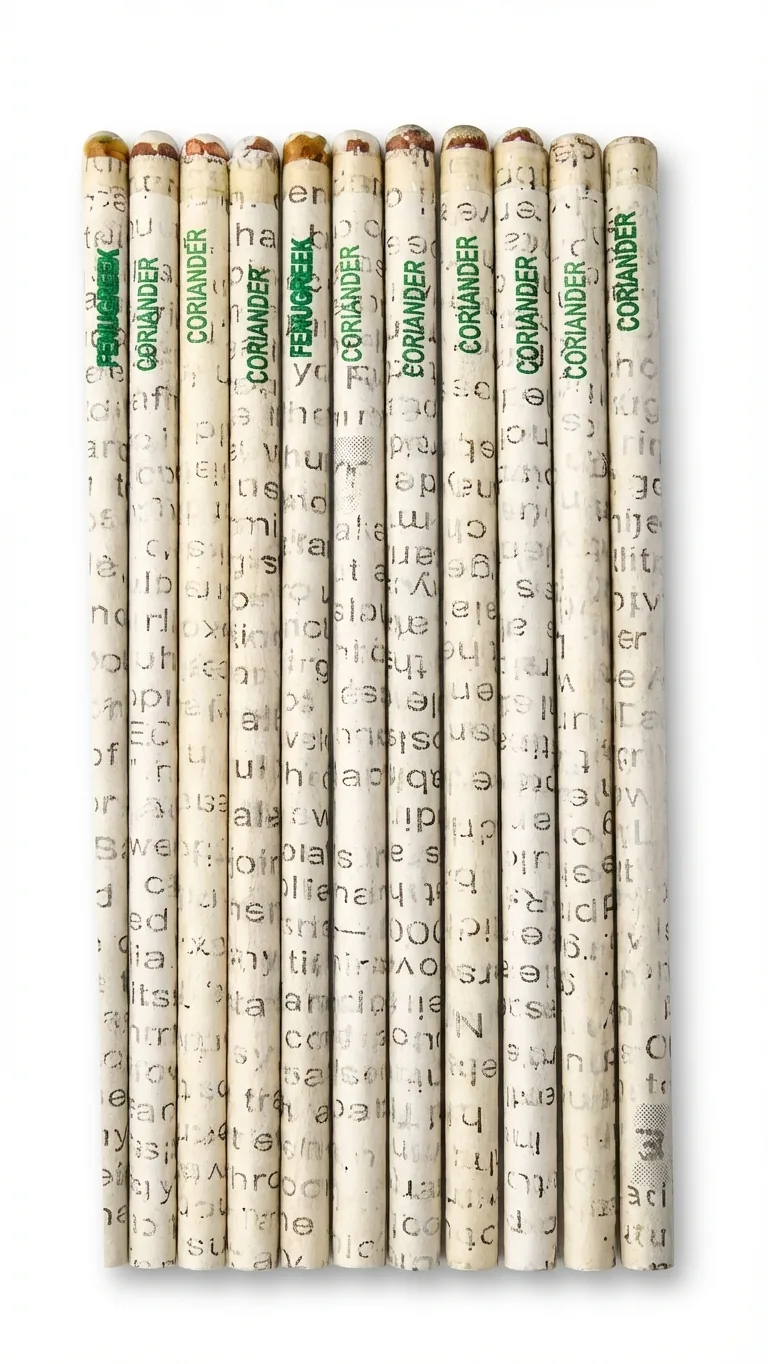
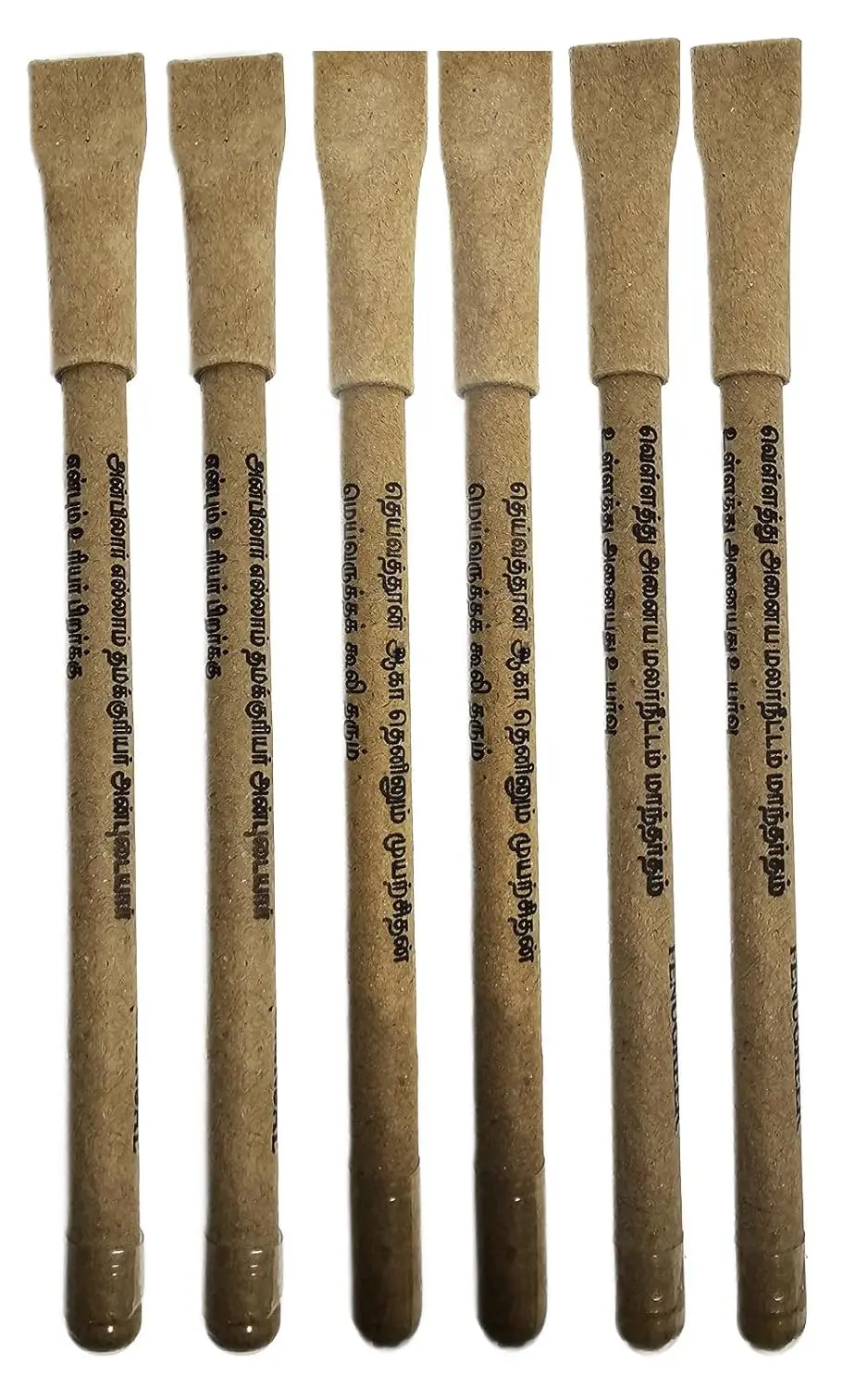
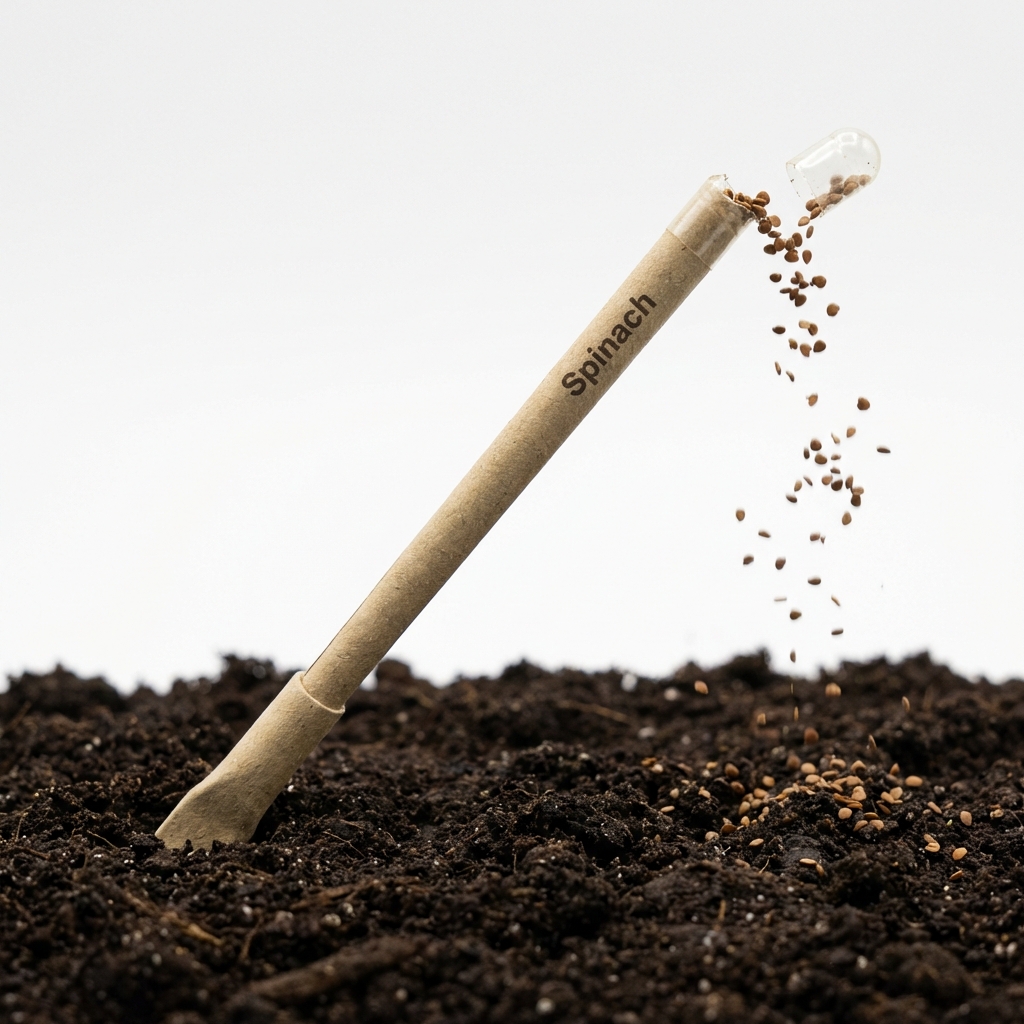
- Plastic pens → Plantable pens
- Regular pencils → Seed pencils
- Sticky notes → Reusable notepads
- Plastic folders → Paper/cloth folders
Shopping
Zero Waste Shopping Tips:
- Bring reusable bags
- Buy in bulk
- Choose package-free options
- Support local markets
- Avoid single-use plastics
Indian Context: Unique Challenges & Solutions
Challenge 1: Limited Bulk Stores
Solution: Find local vendors who sell loose items, visit farmers markets, buy larger quantities
Challenge 2: Cultural Practices
Solution: Adapt traditions sustainably (use banana leaves instead of plastic plates, cloth gift wrap)
Challenge 3: Hot Climate
Solution: Use steel water bottles, natural cooling methods, reusable fans
Month-by-Month Zero Waste Plan
Month 1: Kitchen
- Switch to reusable bags
- Start composting
- Replace plastic containers
Month 2: Bathroom
- Bamboo toothbrush
- Bar soaps
- Reusable cotton pads
Month 3: Shopping
- Bring own bags everywhere
- Buy in bulk
- Choose package-free
Month 4: Office
- Plantable stationery
- Reusable water bottle
- Digital documents
Budget-Friendly Zero Waste
Free/Low Cost:
- Use what you have
- Repair instead of replace
- Borrow/share items
- DIY cleaning products
Worth the Investment:
- Quality reusables
- Durable items
- Multi-use products
Indian Zero Waste Staples
Traditional Wisdom:
- Steel tiffin boxes
- Cloth shopping bags
- Coconut shell bowls
- Banana leaf plates
- Earthen pots
Common Mistakes to Avoid
- Throwing away everything plastic: Use what you have first!
- Buying all new “eco” products: That’s wasteful too
- Being too strict: Progress over perfection
- Ignoring social situations: Be flexible
Track Your Progress
Measure Success:
- Weigh weekly trash
- Count plastic items avoided
- Calculate money saved
- Note lifestyle improvements
Join the Community
Indian Zero Waste Resources:
- Local zero waste groups
- Online communities
- Swap meets
- Repair cafes
Start Today
Pick 3 easy swaps and start this week. Remember: small steps lead to big change!
Tags:
Ready to Make a Difference?
Explore our eco-friendly products and start your sustainability journey today!
Shop Eco-Friendly Products